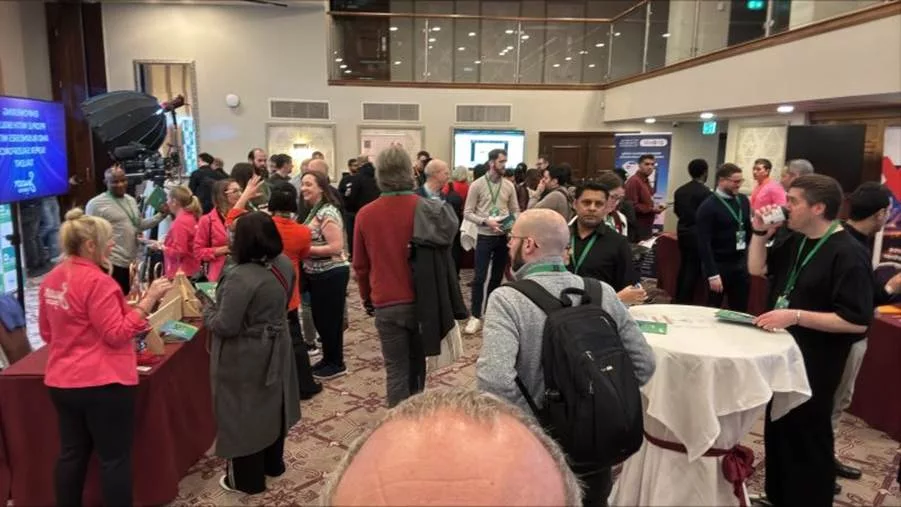
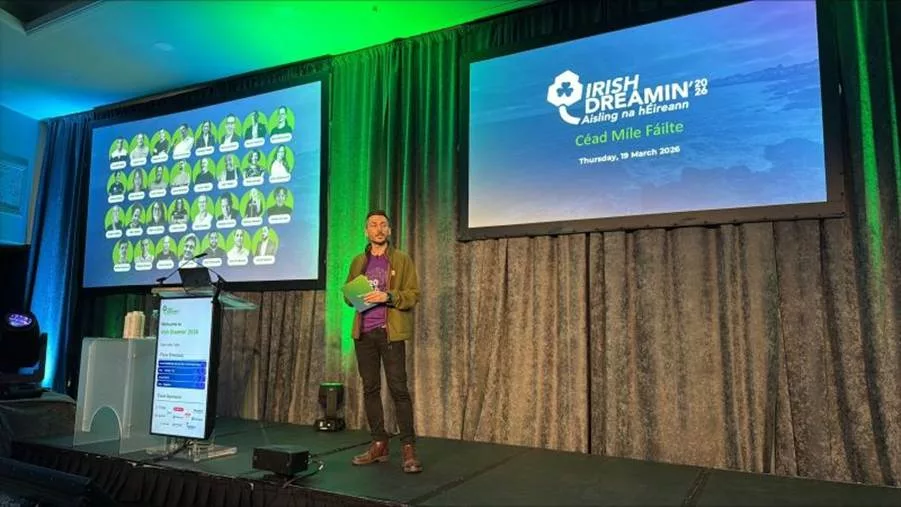
On March 19th 2026, I attended Irish Dreamin’ 2026 — a community-led Salesforce conference in Dublin bringing together architects, developers, consultants, and partners for a full day of learning, conversation, and networking.
It was a great opportunity to connect with the ecosystem, share ideas, and get a clearer view of where Salesforce architecture — and AI — are really heading.
If I had to summarise the day in one sentence:
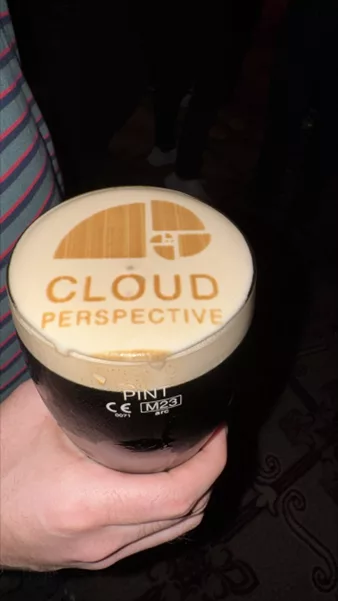
“A packed day of learning, strong architectural themes, and great conversations — topped off with a few Guinness.”
Here are my key takeaways from Irish Dreamin’ 2026:
- The Architect Role Is Evolving — Not Disappearing
One of the standout messages from the keynote was how the architect role is evolving in the age of AI.
Rather than replacing architects, AI is enabling them to focus on what really matters:
- Understanding business requirements
- Communicating effectively with stakeholders
- Making informed architectural trade-offs
As delivery becomes more complex, the ability to translate business needs into well-structured solutions is becoming even more valuable.
AI will increasingly assist with implementation, but context, judgement, and communication remain fundamentally human — and more important than ever.
2. AI Raises the Bar for Architecture
In the session on Modern Salesforce Architecture in the Agentic Era, one idea stood out clearly:
AI is only as effective as the architecture and context it operates within.
There was a strong emphasis on the need for greater upfront design clarity, including:
- Clearly defined business requirements
- Functional and technical specifications
- Shared understanding before development begins
This signals a shift — particularly for AI-driven initiatives — back toward more structured upfront design, rather than purely iterative approaches.
The reality is simple:
AI and Agentforce will struggle in organisations where data is unclear, ownership is inconsistent, and integrations lack structure.
Without strong foundations, AI doesn’t enhance delivery — it exposes its weaknesses.
3. Observability Is Becoming Essential
Another recurring theme across multiple sessions was observability.
In practice, this means:
- Better logging
- Tracking flows and integrations
- Clear visibility of failures
- Proactive monitoring
This isn’t just about debugging — it’s about building systems that are transparent, diagnosable and scalable.
It also creates a stronger foundation for AI, enabling tools to more effectively identify, diagnose and resolve issues.
4. Strong Architecture Still Comes Down to Discipline
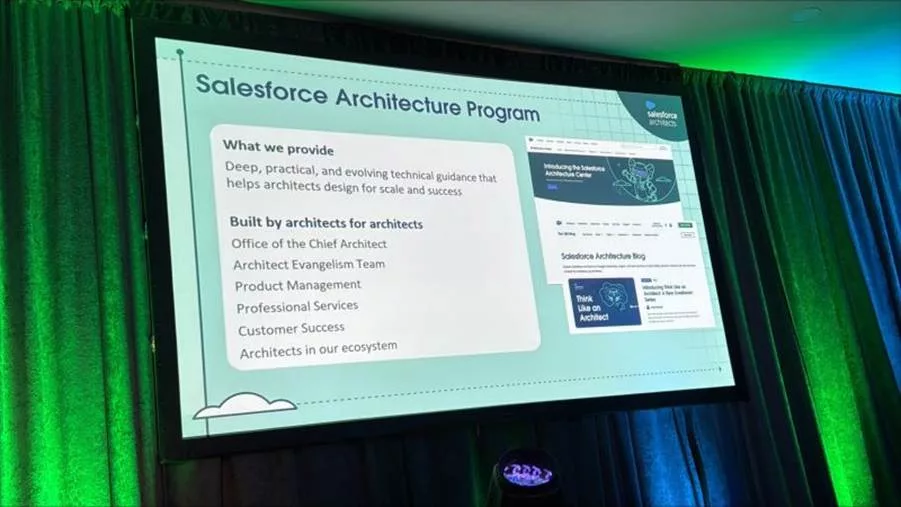
In a hands‑on architecture workshop, we explored common anti‑patterns and how to address them using Salesforce’s Well‑Architected Framework.
One example that stood out was the continued use of overly permissive security models — such as cloning the System Administrator profile — which goes directly against the principle of least privilege.
A simple but powerful reminder:
Good architecture isn’t about adopting new tools — it’s about consistently applying strong principles.
As platforms evolve, these fundamentals matter even more.
5. What This Means for Delivery
From a delivery perspective, a few themes were clear:
- AI increases the need for strong architectural foundations
- More upfront clarity and design is becoming important again
- Observability should be treated as a core capability, not an afterthought
- Human skills remain critical
For delivery leaders, this reinforces the importance of balancing technical capability with clear communication and structured thinking.
Final Thoughts
Irish Dreamin’ 2026 was a fantastic event — great sessions, strong community, and plenty of insight to take away.
If there’s one key message from the day, it’s this:
AI is accelerating delivery — but it’s also raising the bar for architecture.
What I’m Taking Forward
Off the back of Irish Dreamin’ 2026, one thing I’ll be focusing on is pushing for stronger architectural clarity earlier in projects — ensuring we properly define requirements and design before moving into build.
Because ultimately:
Getting the foundations right is what enables everything else — especially AI — to succeed.
And yes — stamping our logo on a well-earned Guinness was a fitting way to round off the day.